The first time I heard a patient say, “It feels like I’m coming down with something the day after Botox,” I double-checked their chart for allergies and recent travel. They had neither. By the third person in a month with the same story, patterns started to emerge. Mild headache, a vague pressure sensation, a touch of fatigue, sometimes a low-grade ache in the forehead that felt like they had worn a tight hat too long. These episodes were short, usually one to three days, and they resolved without intervention. The Livonia MI botox Allure Medical question stuck with me: is this a normal adaptation as the treated muscles quiet down, or a true systemic side effect?
This is a deep dive into what those first days can feel like, why it happens, and when to call your provider. I’ll also address related concerns that often travel with the topic, from eyelid heaviness to the risk of droopy eyelids, sleep changes, and realistic safety boundaries including dose limits.
What “flu-like” feels like after Botox
Most patients who use the term “flu-like” don’t mean fevers and bed rest. They mean a cluster of nonspecific symptoms that appear within the first week:
- A dull headache, especially the first 24 to 72 hours General fatigue or a “worn out” sensation Heavy or tight-feeling forehead, sometimes described as pressure behind the brow Mild body aches without fever, or just feeling off
In the clinic, the most common specific complaint is a Botox headache in the first week. It is typically mild to moderate and resolves as the drug begins to stabilize at the neuromuscular junction. The second common report is that the forehead feels tight, particularly when treating horizontal forehead lines or the glabella. That tight feeling after Botox is often normal in the beginning, and it is closely tied to how Botox blocks nerve signals to the frontalis and corrugator muscles. When those muscles start to relax, the brain’s habitual urge to lift the brows meets resistance, and the mismatch can register as heaviness or pressure.
If your symptoms consist of mild headache, a sense of pressure, and transient fatigue without fever, this pattern usually points to local adaptation rather than a systemic illness.
How Botox actually works, simplified
Botulinum toxin type A, the active ingredient in cosmetic Botox, binds at the neuromuscular junction and blocks the release of acetylcholine, the neurotransmitter that tells muscles to contract. Think of it as interrupting the text message from nerve to muscle. Once the message is blocked, the muscle relaxes, which softens lines that form with repeated movements.
Onset varies by muscle group. Around the glabella and forehead, many people begin to notice an effect by day 2 to 4, with full effect closer to day 7 to 14. Neck bands and masseter reduction can take slightly longer to feel fully settled. This staged onset is why the forehead can feel heavy before it looks smoother. You are noticing the early mechanical change before the visible result peaks.
The stiffness timeline is predictable: the first 48 to 72 hours can feel the most odd, then the sensation of pressure fades as your brain recalibrates to a quieter frontalis and corrugator complex.
Why the forehead can feel heavy or tight
Two main reasons:
First, muscle balance shifts. If you treat the glabella aggressively but leave the frontalis overactive, or vice versa, the remaining active muscles may pull differently on the brow. The feeling that the forehead feels heavy after Botox usually reflects this change in muscle balance, not swelling.
Second, learned movement persists. You may still try to lift your brows out of habit, but the frontalis is partially offline. The effort without movement registers as a pressure sensation. Some call it Botox stiffness, but clinically it is not true stiffness, more a feedback mismatch that resolves within days to a couple of weeks.
If the heaviness persists beyond two weeks or is accompanied by a noticeable eyebrow drop, it’s time to check in, as you may be feeling the effects of an over-relaxed frontalis or diffusion toward muscles that elevate the brow.
Can Botox cause droopy eyelids?
Yes, but it is uncommon with proper technique. Ptosis after Botox typically refers to true eyelid droop from partial diffusion into the levator palpebrae superioris, not just brow heaviness. Botox eyebrow drop is different, reflecting frontalis relaxation that reduces brow elevation. Eyelid ptosis affects the upper eyelid margin itself and can give a half-lidded appearance on one side.
How long does Botox ptosis last? Most cases are mild and improve as the effect wears off, typically 2 to 6 weeks, with full normalization by 3 months as the toxin effect fades. Apraclonidine drops or oxymetazoline ophthalmic can stimulate Müller’s muscle to raise the eyelid by a millimeter or two, offering partial relief. An experienced injector reduces risk with precise placement, conservative dosing near the mid-pupillary line, and careful patient positioning.
If you feel eyelid heaviness without visible eyelid margin drop, this is often transient brow heaviness and not true ptosis. Still, send a quick message with photos to your provider to determine which it is.
Are “flu-like symptoms” a true systemic side effect?
The phrase “flu-like symptoms” appears in patient information sheets because a small subset report headache, malaise, or mild aches after injection. In healthy individuals at standard cosmetic doses, these symptoms usually reflect local inflammatory response at multiple small injection sites and the short neural adaptation period. They are self-limited.

Can Botox enter the bloodstream and cause systemic effects? Trace amounts can disperse locally, but at cosmetic doses and with proper technique, clinically meaningful systemic spread is rare. The molecule acts where it binds, and it is designed to stay near the neuromuscular junction. The FDA approval details for cosmetic use reflect safety data from large trials, including dose-response thresholds and adverse event profiles. In those, systemic toxicity concerns are linked to very high doses, certain medical conditions, or improper injection technique, not the standard dosing used for forehead lines, crow’s feet, or glabella.
Botox toxicity concerns are appropriate when discussing neuromuscular disorders, pregnancy and breastfeeding (where we avoid use due to limited data), and off-label high-dose medical applications such as spasticity. In cosmetic ranges, the safety margin is wide.
Headache, anxiety, dizziness: what’s what
Several overlapping factors can explain how people feel during the first week:
- Botox headache first week: often mild to moderate, improves in 1 to 3 days. Consider hydration, over-the-counter analgesics if approved for you, and rest. Botox dizziness causes: less common, but can stem from tension in the neck or trapezius if those areas were treated, dehydration, or anxiety. Persistent dizziness warrants a check-in to rule out unrelated causes. Botox anxiety symptoms: pre-treatment nerves and post-treatment hypervigilance amplify normal sensations. I’ve seen patients fixate on a normal tightness and interpret it as something wrong. Reassurance, clear expectations, and good aftercare instructions reduce this. Nausea is a rare effect. When it occurs, it usually passes quickly. If nausea persists beyond 48 hours or is severe, contact your provider to rule out other causes.
An important line to draw: If you develop progressive weakness outside the injected area, difficulty swallowing, trouble speaking, or a fever, do not wait. Seek care.
Sleep, mood, and the brain fog myth
Can Botox affect sleep? Indirectly, yes. If you feel odd or tight, you might sleep lightly. There are insomnia reports in post-treatment forums, but they are inconsistent and often tied to anxiety, schedule changes, or stimulants like caffeine. Some describe vivid dreams in the first few nights, likely an arousal effect from focusing on post-procedure changes rather than a direct neurological mechanism.
As for “Botox brain fog,” there is no robust evidence that cosmetic doses impair cognition. Botox and the nervous system interact at the neuromuscular junction, not centrally in the brain. People who feel foggy usually are tired, dehydrated, or anxious. Short-lived restlessness or mood changes can happen around any procedure. If ongoing mood shifts occur, bring it up, and your provider can consider other contributors such as stress, sleep debt, or medications.
Dose, safety boundaries, and overdose fears
Safe Botox dosage limits vary by area and product. For on-label cosmetic treatment with onabotulinumtoxinA:
- Glabellar lines: commonly 20 units total Forehead lines: often 8 to 20 units, depending on forehead height and muscle strength Crow’s feet: typically 6 to 12 units per side Total face doses in a single session usually land between 30 and 64 units, with exceptions for strong musculature or combined areas
Maximum Botox units per session are not one-size-fits-all, but experienced injectors rarely exceed 100 units for routine cosmetic indications in the upper face. Medical uses such as masseter reduction or platysmal bands can push totals higher, still within established safety ranges.
True overdose symptoms would involve generalized weakness, difficulty breathing, trouble swallowing, and a pattern that does not match localized treatment. At cosmetic doses with proper dilution and placement, this scenario is extraordinarily uncommon. Botox safety studies explained in FDA submissions and post-marketing data support a strong safety profile when administered by trained professionals.
Cosmetic vs medical Botox and off-label realities
Cosmetic Botox targets dynamic lines in the upper face. Medical Botox addresses conditions like chronic migraine, cervical dystonia, overactive bladder, and spasticity, often at higher cumulative doses spaced out by area. Off-label Botox uses in aesthetic practice include masseter hypertrophy for jaw slimming, nasal “bunny lines,” lip flip, gummy smile, chin dimpling, DAO reduction for mouth corners, and platysmal bands. Off-label is not a synonym for unsafe, but it requires a practitioner who understands anatomy, dose nuance, and diffusion patterns.
Why results differ person to person
Not everyone metabolizes Botox the same way. Fast metabolizers and slow metabolizers are more folklore than strict categories, but genetic differences in neuromuscular junction proteins, muscle bulk, and the depth of injection matter. Genetics and Botox response can influence how long it lasts, typically 3 to 4 months, ranging from 2 to 6 months in outliers.
Why Botox lasts longer in some areas comes down to movement frequency and muscle size. Crow’s feet often fade faster because we smile and squint a lot. The glabella, with stronger corrugators, may need higher dosing and can hold the effect longer when properly treated.
Lifestyle factors: caffeine, nicotine, hydration, and workouts
Patients often ask if they should change their routines.
Does caffeine affect Botox? Not directly, but excessive caffeine can worsen anxiety or insomnia, which might color your perception in the first days. Moderate your intake if you feel wired.
Does nicotine affect Botox? Smoking and vaping can impair microcirculation and tissue healing. While Botox’s effect is not a wound healing process, smokers may have slightly higher bruising risk and poorer skin quality overall, which influences outcomes. Vaping and Botox healing are less studied, but nicotine remains a vasoconstrictor. Quitting improves nearly all cosmetic outcomes.
Hydration effect on Botox matters mostly for comfort. Well-hydrated patients bruise less and report fewer headaches. Dehydration can magnify a pressure sensation or fatigue.
Diet influence is light. A high protein diet doesn’t change the pharmacology of Botox. Fasting near the appointment can increase lightheadedness from needle anxiety. Eat a small snack beforehand if you tend to get woozy.
Exercise: most injectors recommend avoiding strenuous activity for the first 24 hours, sometimes 48, to reduce bruising and minimize the theoretical risk of toxin migration while it is still binding locally. Cardio workouts and weight training can resume after this window. Gentle walking the same day is fine. Yoga practice is fine after a day, but avoid inversion poses in the first 4 to 6 hours. Head positioning matters early. That is also the logic behind the instruction on why you shouldn’t lie down after Botox for several hours.
Practical aftercare that reduces “flu-like” feelings
I give a short set of post-treatment habits to dial down those first-day symptoms:
- Hydrate before and after your appointment, aiming for regular water intake the day of treatment. Keep your head upright for 4 to 6 hours. Skip naps and deep massages that press on the forehead that day. Hold off on intense workouts until the next day. Avoid touching or rubbing injection points the first evening. If you develop a mild headache, consider acetaminophen if appropriate for you. Many avoid NSAIDs to reduce bruising risk, though one or two doses likely won’t derail results.
These straightforward steps reduce the chance that a normal adaptation feels like an illness.
Injection pain, needle size, and what the first appointment actually feels like
Does Botox injection hurt? Most describe it as a quick pinprick, more like eyebrow waxing discomfort than dental work. We use very small needles, often 30 or 32 gauge. If you are needle-sensitive, there are numbing options. Ice vs numbing cream for Botox is a fair comparison: ice works faster and reduces bruising, numbing cream reduces skin sensation but requires time to take effect and can slightly dilate vessels. I favor ice in most cases, with targeted topical anesthetic for lip lines.
If anxiety before treatment runs high, we talk through breathing strategies and expectations. Simple tactics help: arrive on time, avoid an empty stomach, skip the third coffee, and tell your injector which part worries you most. How to calm nerves before Botox is less about meditation and more about clarity. A provider who narrates what they are doing and why lowers your heart rate better than lavender oil.
The Botox consultation process matters. A good consult covers your facial movement at rest and expression, brow position relative to the orbital rim, eyelid anatomy, skin quality, and prior treatment history. We discuss asymmetric habits you may not notice, like chronically lifting one brow, which affects dose and placement. Consent forms explained in plain language should outline common effects, rare risks, and aftercare. If a provider rushes this or offers cookie-cutter patterns without watching you animate, that’s a red flag.
Red flags and when to call
If you develop any of the following, reach out to your provider:
- Marked eyelid droop that interferes with vision Spreading weakness beyond the treated area Fever, rash, or allergic symptoms Severe headache that does not improve with rest or usual analgesics New double vision, difficulty speaking, or trouble swallowing
Separately, if after two weeks your eyebrows look uneven or one side feels much heavier, send photos in neutral light at rest and with expression. Small touch-ups can balance things out. Timing matters, as adjustments work best once the initial effect has stabilized.
Travel, altitude, and allergies
Botox travel restrictions are minimal. Flying after Botox is permissible once you are past the immediate post-injection window. Most prefer to avoid flights the same day to reduce bruising from pressure changes and to follow head positioning guidance for a few hours. Altitude changes do not degrade the product’s effect. Some people feel sinus pressure on flights, which can be confused with forehead tightness. If you are traveling for a big event, schedule your treatment two to three weeks ahead to allow full settling.
Seasonal allergies complicate the picture. If your brow and forehead feel heavy during allergy season, Botox and sinus pressure can blur together. Antihistamines are fine to use with Botox, and they may reduce facial congestion that otherwise masquerades as post-treatment heaviness.

How muscle education plays into the first weeks
There is a useful concept called muscle reeducation. Once Botox quiets a muscle, you can re-pattern your expressions. For example, if your habit is to lift your brows when thinking, the first weeks are an opportunity to abandon that move because it no longer gives you the visual feedback it used to. This reduces the urge to fight the treated muscle and helps the “tightness” fade faster.
I sometimes ask patients to practice relaxed brow rest with a mirror check, a few seconds several times a day, for the first week. It sounds silly, but the brain learns fast. Less pushing against the relaxed muscle equals less perceived stiffness.
Forehead design: brow position, dosing, and trade-offs
Brow position is architecture. If your brows sit low naturally, heavy dosing across the entire frontalis increases the risk of a flat or dropped brow feeling. That doesn’t mean you can’t treat the forehead, but the injector should preserve lift by targeting the upper third more lightly and supporting the lateral brow. Conversely, a very high, overactive brow may need more frontalis dosing and a careful glabella plan to avoid an arched, surprised look.
Trade-offs are candid: more relaxation equals smoother lines, but also a period of reduced expressive movement that can feel foreign. Less dosing equals more natural motion, but some lines will persist. Your comfort with each outcome dictates the plan, and it is fine for your preferences to change over time.
The hard question: are “flu-like” symptoms a sign Botox is wrong for you?
Not necessarily. If your symptoms are mild, short, and predictable with each session, they likely reflect your personal adaptation pattern. If they are intense or prolonged, examine the variables: dose, injection map, hydration, sleep, caffeine or nicotine load, and anxiety level. Adjust one or two at a time for the next session. For example, shifting some units from the central forehead to lateral points, increasing water intake, and scheduling treatment on a low-stress day can transform the first week.
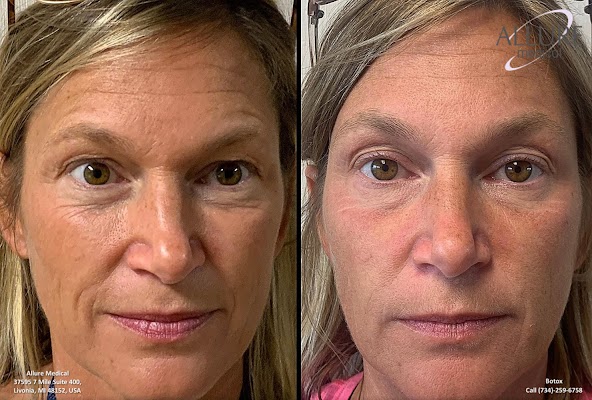
If despite adjustments you consistently feel unwell for more than a few days, consider spacing treatments further apart, reducing total units, or pausing altogether. There are alternatives for dynamic lines, including smaller, more frequent microdoses or focusing on skin quality with energy devices and topicals.
A short, practical checklist for smoother recoveries
- Book when you can rest the same evening and the next morning, without high-stress demands. Hydrate well the day before and day of treatment. Eat a light meal. Limit caffeine and avoid nicotine the morning of. Keep your head upright for 4 to 6 hours. No heavy workouts until the next day. Message your provider if headache is severe, eyelid droop appears, or symptoms last beyond a few days.
The bottom line from the chair
Mild “flu-like” feelings after Botox are common enough that I proactively mention them. Most are a normal adaptation as the neuromuscular junction quiets and muscle balance resets. They are short, manageable, and often preventable with solid technique and simple aftercare. True adverse effects, such as eyelid ptosis or significant eyebrow drop, are infrequent and usually improve within weeks, but they deserve prompt attention because small interventions can help and you deserve clarity.
The best predictor of a smooth experience remains the human in front of you. An injector who studies your movement, asks about your habits, respects dose limits, and gives you a clear plan will not only reduce the chance of droopy eyelids or lingering heaviness, they will also help you interpret every sensation in those first few days. That understanding, more than any single tip, is what makes the early week feel normal.